The Multi-Region Rollout Problem
Why Physical Campaigns Fail Across Markets
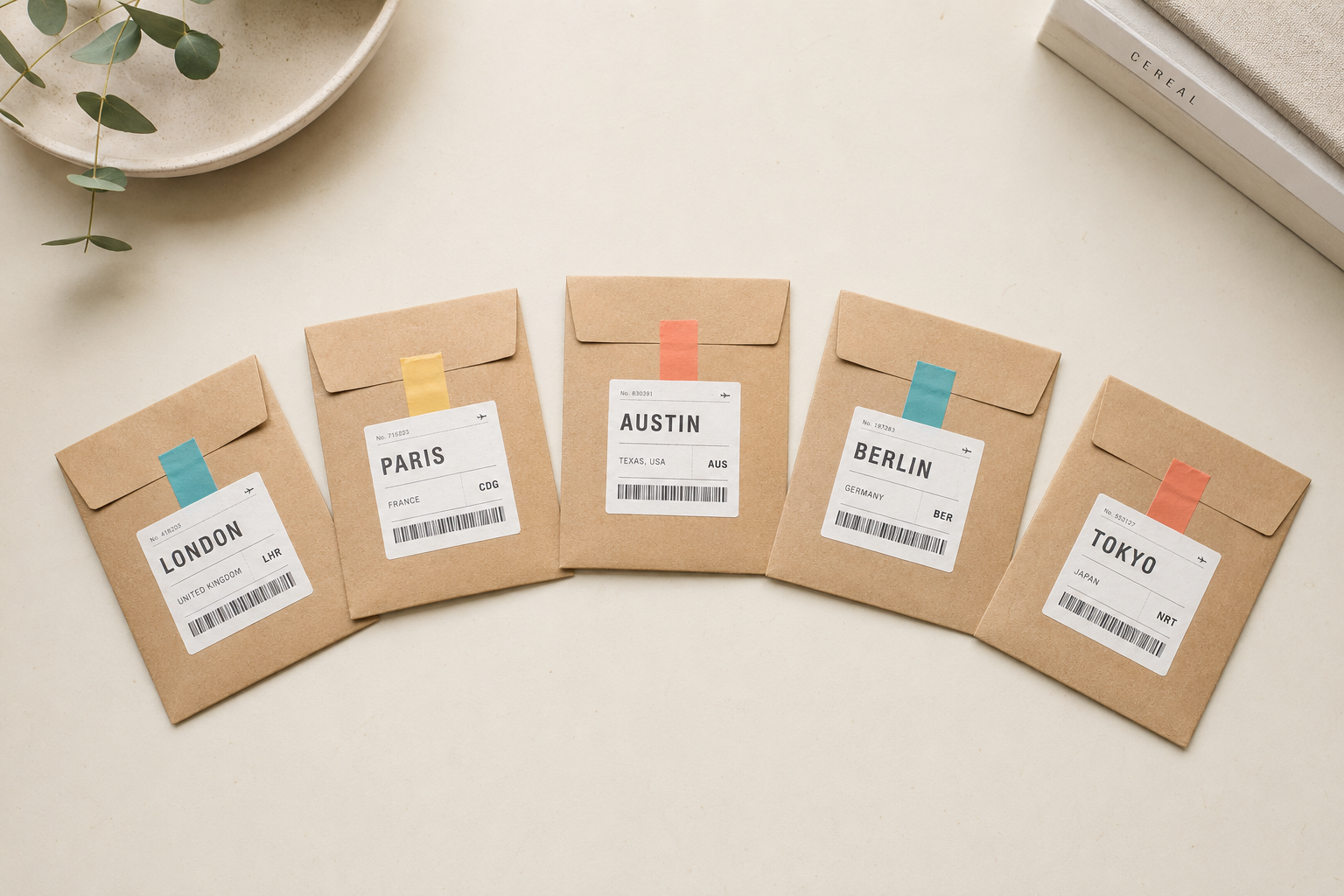
It always starts the same way. Three markets go well. The assets arrive on time, the local teams are happy, and the campaign looks like a success. Then you check on markets four through twelve.
Something is delayed. One shipment is stuck in customs. A local printer used the wrong specification. The kits arrived but the installation team got the wrong version of the artwork. By the time the campaign is fully live, it is three days late in four markets, a week late in two more, and in one market it never quite lands at all.
This is the multi-region rollout problem. And it is almost never caused by bad creative, a weak brief, or disengaged local teams. It is caused by a logistics model that was never designed for the scale it is being asked to run at.
This article covers what the problem actually is, why it keeps happening, and what the teams getting it right are doing differently.
What is the multi-region rollout problem?
The multi-region rollout problem is what happens when a campaign that works in three home markets is pushed into twelve international markets without a logistics model to match.
It is not a translation problem, though translation complexity can expose it. It is not a briefing problem, though a vague brief makes it worse. It is a logistics problem - specifically, the gap between the way physical campaign assets are produced, shipped and tracked, and the variation that exists between markets in postal systems, customs regimes, lead times and local requirements.
At small scale, this gap is manageable. At twelve markets, it is not. The variation compounds. A delay in one market cascades into a missed event in another. An air-freight bill that was not in the budget turns a profitable campaign into an expensive one. And the team running the campaign spends its final week before launch doing logistics instead of marketing.
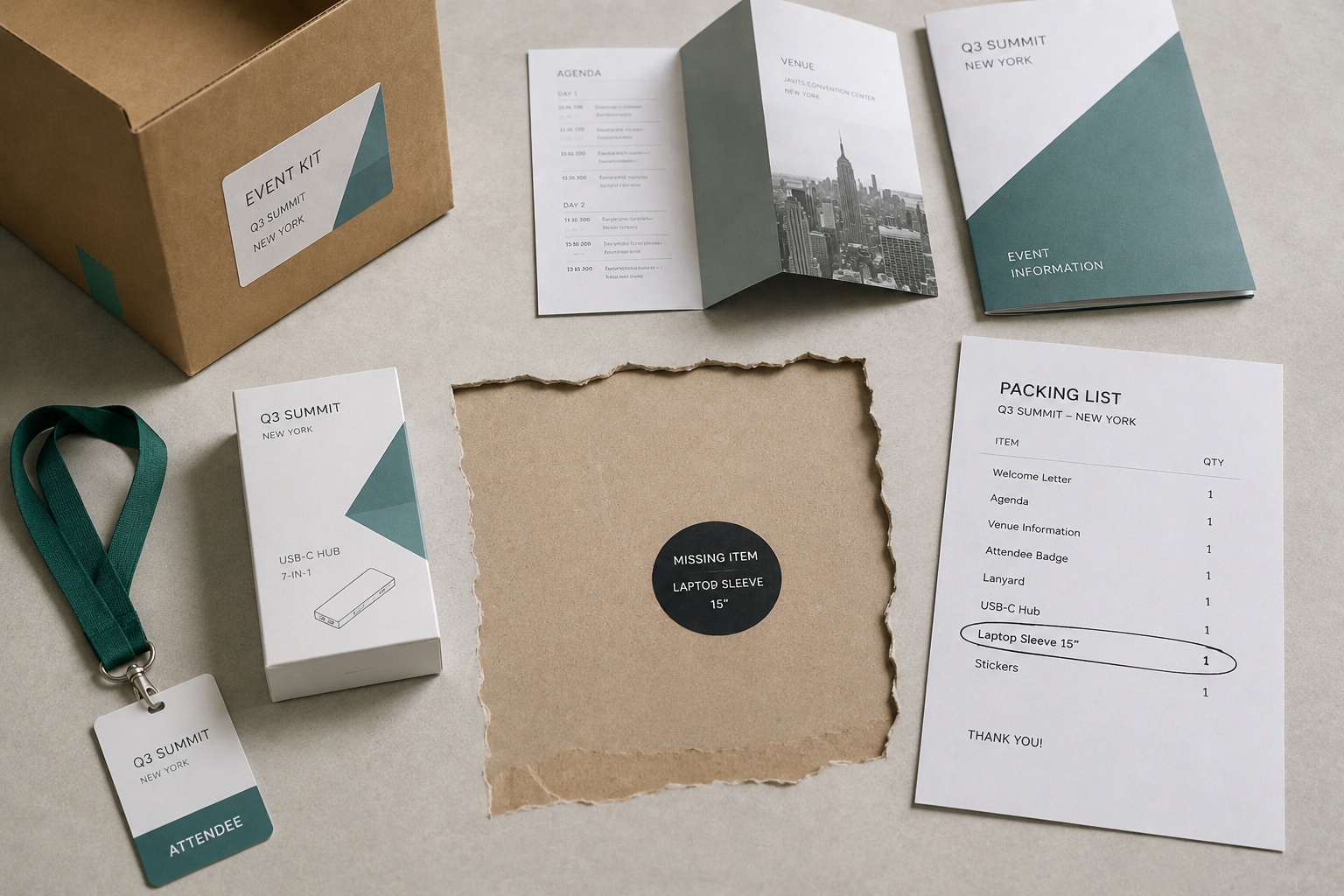
Why it happens
One shipping run for twelve markets. The default approach for most organisations is to produce campaign assets centrally and ship to all markets from a single warehouse. It is simple to brief and easy to plan. It is also the most expensive and slowest option for international distribution. Customs clearance times vary by country. Lead times vary by carrier. What moves in two days from a European warehouse can take three weeks to clear in Brazil, Mexico or South Korea. Plan your timeline around the easy markets and the difficult nine will miss.
Nobody owns the logistics layer. Campaign briefs go to creative. Budgets go to finance. Shipping gets assigned to whoever has a supplier contact on file. There is no logistics owner with the same authority and accountability as the creative lead or the campaign manager. When something goes wrong - and in multi-region campaigns, something always does - there is no single person to call and no system to pull the information from.
Lead times are planned for the best case. Most campaign timelines are built on the assumption that things go right. They allow time for production and standard shipping, and they stop there. There is no buffer for customs holds, port congestion, public holidays in markets the central team has never visited, or local material requirements that nobody mentioned in the brief. One unexpected delay in one market and the entire campaign is under pressure.
The in-market production model
The teams running multi-region campaigns reliably are not doing something complicated. They have changed the logistics model.
In-market production means campaign assets are produced locally, by a network of production partners in or near the target market, rather than shipped from a central warehouse. Lead times drop from weeks to days. International freight costs disappear for most shipments. Customs clearance stops being a variable, because there is nothing crossing a border. Local material specifications and address formatting are handled by someone who knows the market.
The second element is a control tower. OnDemand, the control tower for physical marketing, gives the central campaign team a single view of every asset across all twelve markets - what has been ordered, what is in production, what is in transit, what has been delivered. The first alert about a problem comes from a dashboard, not a call from a local team three days before the event.
The third element is a single accountable partner. A network across ~45 countries with 5 regional warehouses and a single SLA means one brief, one contact, and one point of accountability across all twelve markets. Not twelve vendor relationships, twelve invoices, and twelve points of potential failure.
Building in contingency
Even the best-planned multi-region campaigns encounter unexpected variables. The way to handle them is to build contingency into the process rather than the timeline.
Contingency in the timeline is a buffer - two extra days here, a week of slack there. It absorbs small delays but it does not prevent them, and it does not help when multiple markets hit problems simultaneously.
Contingency in the process means having a logistics owner who can make decisions in real time, a control tower that surfaces problems as they develop rather than after the fact, and a partner network with the capacity to reroute or re-produce when something goes wrong. The difference between a campaign that recovers cleanly from a logistics problem and one that unravels is almost always whether someone was watching and had the authority to act.

The practical fix
Two habits change outcomes for global marketing teams more than anything else.
Plan backwards from the freight deadline, not the campaign launch date. The creative brief should not go out until the logistics deadline has been set. When does the asset need to be in-market? Work back from there: production time, local transit time, and any known customs complexity. The campaign launch date is the output of that calculation, not the input.
Name a single logistics owner for every campaign, with the same standing as the creative lead. This person is responsible for the freight deadline, the SLA, and the first call when something goes wrong. Without a named owner, logistics is everyone's problem and therefore nobody's.
Conclusion
The multi-region rollout problem is entirely solvable. It is not a complexity that global marketing teams have to accept as the cost of operating at scale. It is a logistics design problem - and logistics design problems have logistics design solutions.
The teams getting this right have stopped treating physical campaign distribution as a shipping task. They treat it as a campaign operations function, with its own owner, its own systems, and its own lead time planning built in from day one.
The campaign worked in three markets because those markets were easy. It failed in nine because the logistics model was never designed to handle the rest.
Build the model first. The campaign will follow.
Subscribe to the MyMedia Minute newsletter series for this campaign.