Corporate Gifting & Event Giveaways in 2026
What People Actually Keep (and Why)
Corporate gifting has officially entered its “prove it” era.
In 2026, most recipients don’t need another generic tote, low-quality tee, or over-branded gadget. They’re busy, overloaded, and selective about what earns space on their desk, in their bag, or in their home. That means the gifts that stick aren’t the loudest, they’re the most intentional. And the brands that win aren’t the ones sending more, they’re the ones sending better, with flawless execution.
This is the shift we’re seeing across B2B events, ABM, lifecycle campaigns, and partner marketing: keepability is the new KPI.
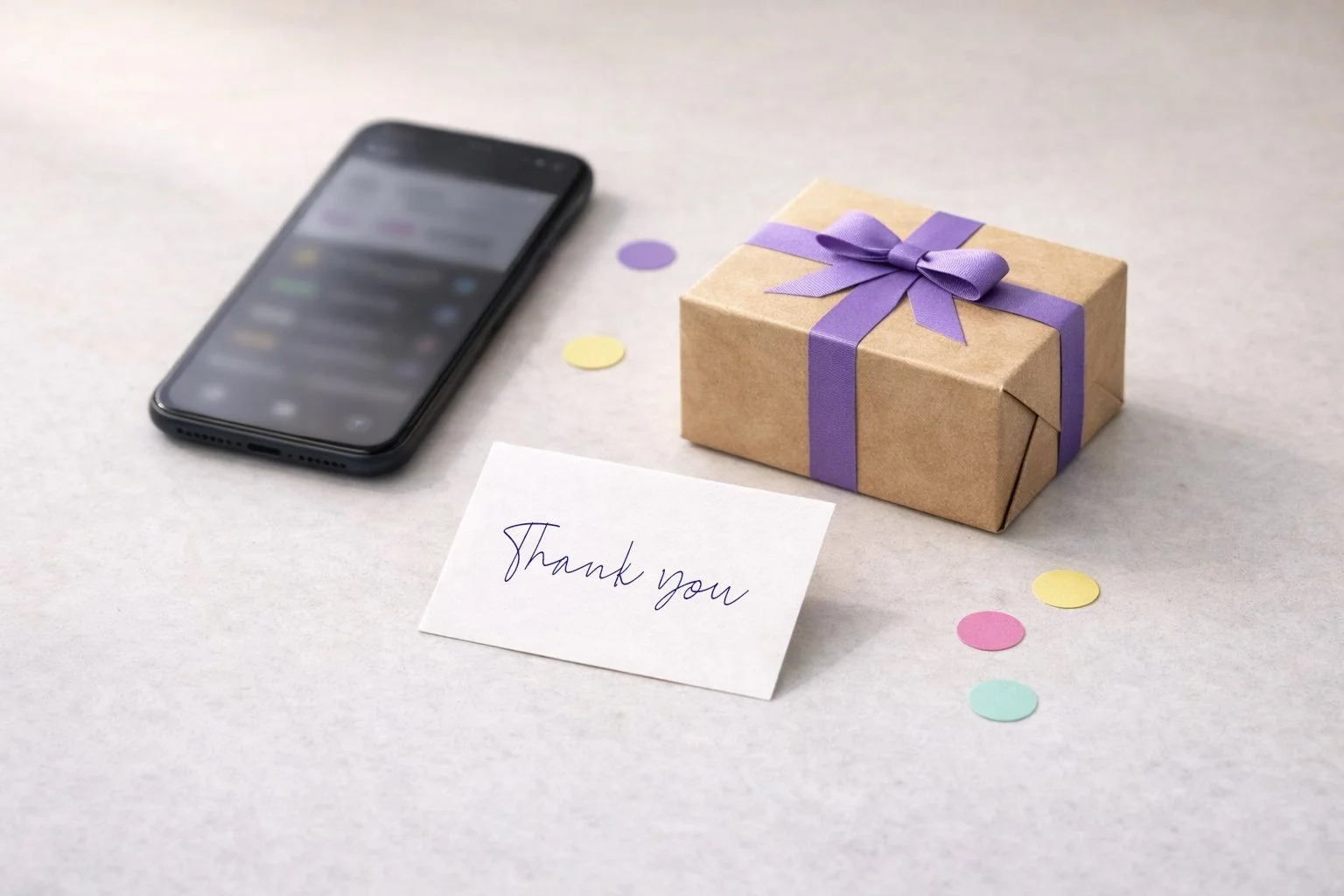
The real problem isn’t the gift, it’s the strategy (and the ops)
Most “bad gifts” aren’t terrible ideas in isolation. They fail because:
the moment wasn’t defined (why are we gifting now?)
the recipient fit was generic (what does this person actually do day-to-day?)
the experience felt transactional (no context, no message, no cohesion)
the delivery was messy (late, damaged, customs delays, wrong address, venue confusion)
In other words: in 2026, operations is the brand experience.
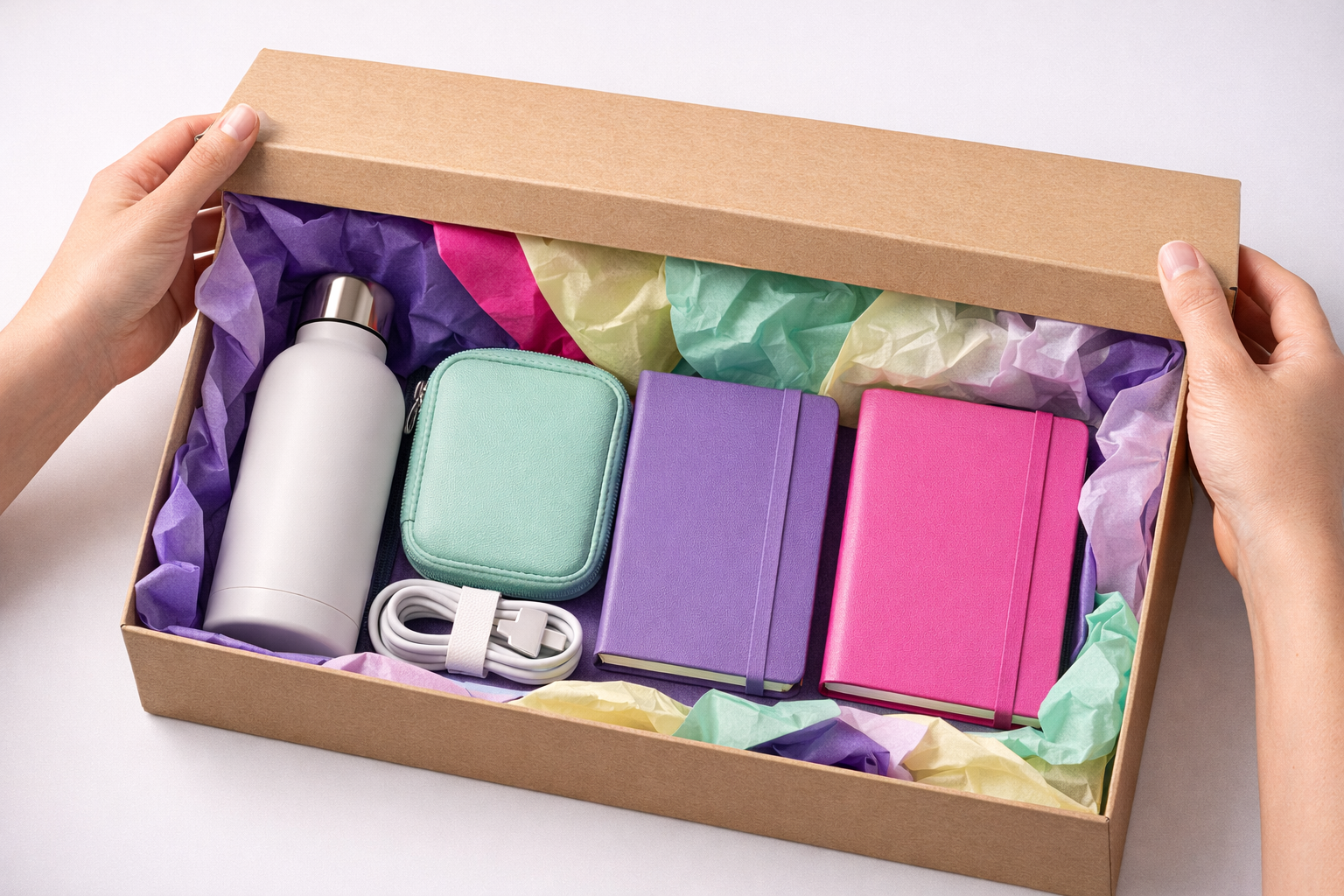
The Keepability Principle: why some gifts survive the purge
A gift gets kept when it hits at least two of these six drivers:
Daily utility (used weekly or more)
Delight (premium feel, beautiful design)
Personal fit (role, climate, lifestyle)
Brand alignment (intentional, not promotional)
Timing relevance (arrives when it matters)
Low friction (easy to carry, easy to use, no “wait, what is this?”)
If your current giveaways don’t meet two of those, you’re likely funding hotel trash bins and office donation piles.
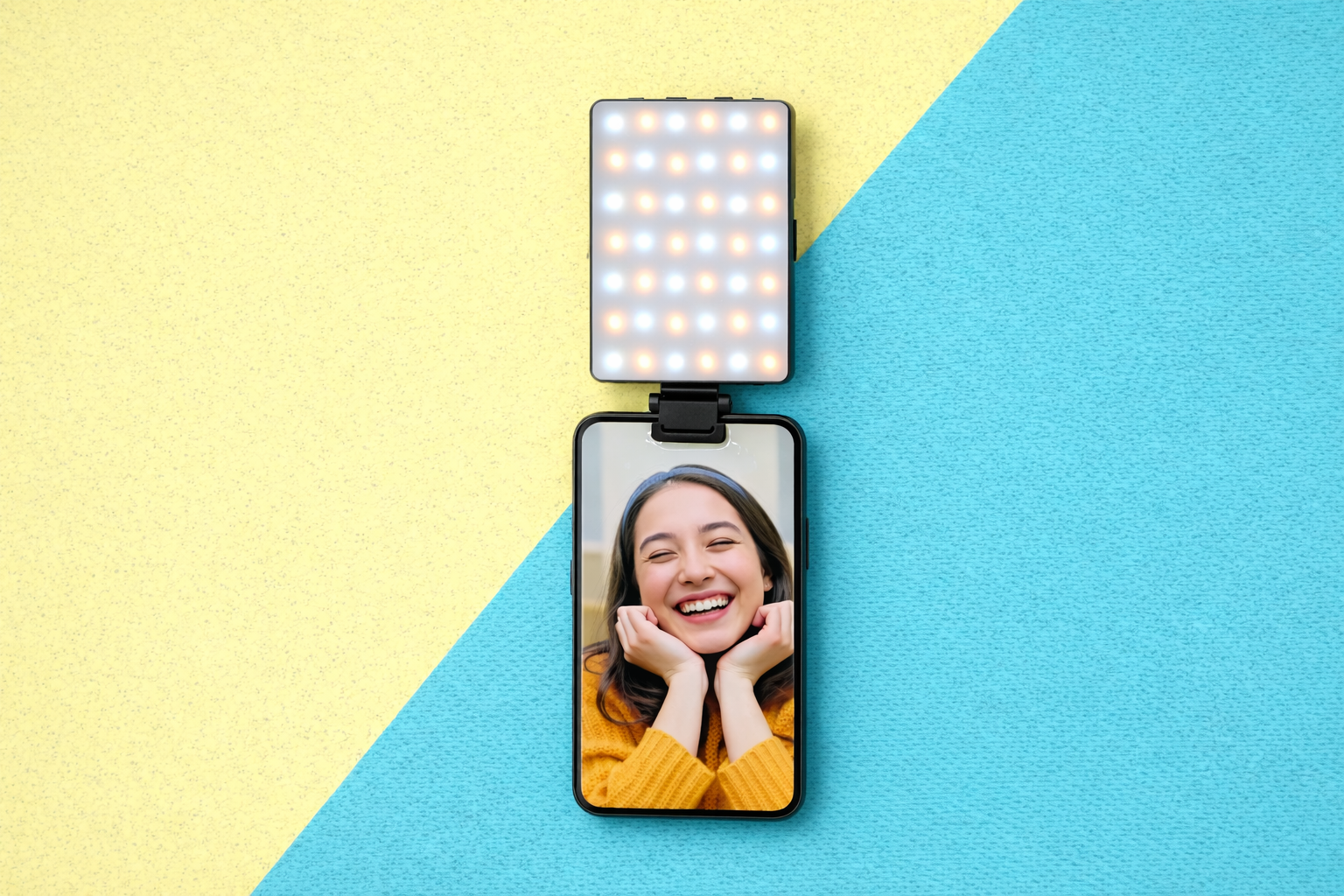
What’s “kept” in 2026 (and what gets quietly discarded)
High-keep categories (the ones that earn repeat use)
These are consistently strong because they combine utility + quality:
Workday essentials that look premium: notebooks people actually want to write in, desk tools, quality drinkware, tech accessories
Travel-ready items: packing cubes, compact chargers, durable totes (that don’t scream “swag”)
Comfort + wellness (subtle and credible): high-quality socks, tea/coffee kits, recovery tools
Smart consumables (curated): regional gourmet, office pantry upgrades (avoid generic snack packs)
Event utility: badge-friendly accessories, weather-proof gear, packable layers
Choice-based gifting: curated options so the recipient selects what fits them best
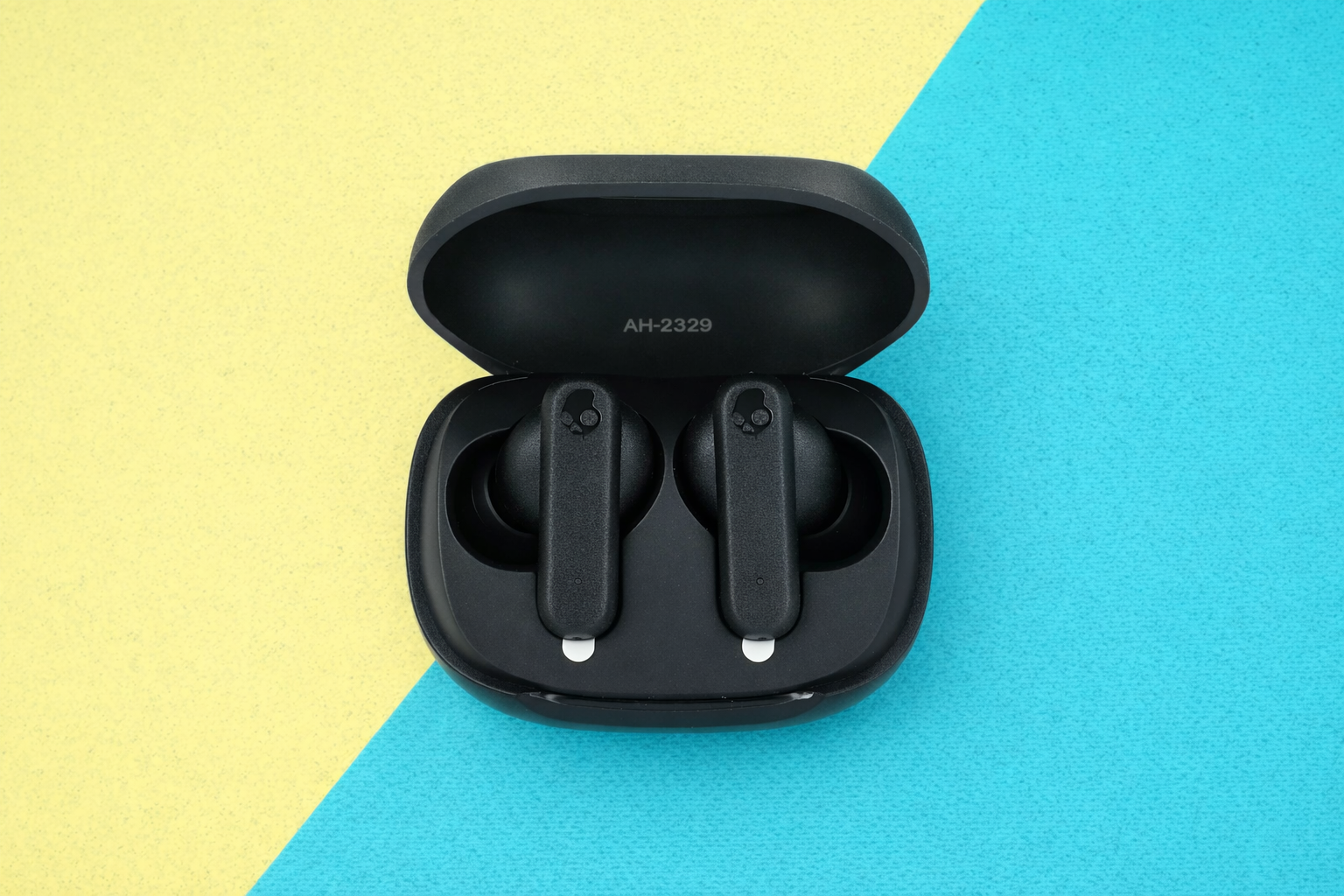
High-discard categories (the budget leaks)
Low-quality apparel or hard-to-size clothing
Cheap tech with short lifespan
Over-branded items that feel like ads
Bulky objects that take up space
“Eco” claims without proof (this backfires fast)
A simple decision framework: IMPACT (so gifting stops being guesswork)
To choose gifts that perform (and don’t create operational chaos), use the IMPACT score. Rate each category or kit idea from 1–5:
I - Intent: What’s the goal? (attendance, pipeline, retention, partner activation, onboarding)
M - Match: Does it fit the recipient’s role/region/preferences?
P - Practicality: Will it get used? Is it durable?
A - Aesthetics: Does it feel premium and on-brand (without being brand-loud)?
C - Complexity: Are sizing, customs, lead times, and shipping manageable?
T - Trackability: Can we measure outcomes (QR, codes, follow-up, portal visibility)?
This framework does one important thing: it forces you to consider execution reality - not just how good something looks in a brainstorm.

Event giveaways: match the item to the booth behavior
Most event giveaways fail because the gift doesn’t match the context. Use a quick “giveaway matrix” approach:
High-traffic booth: quick-grab items with immediate use (badge tools, mints, wipes, phone stands)
Conversation-driven booth: slightly higher value items that reward engagement (premium notebook, quality bottle)
VIP / meeting rooms: curated kit with a note + optional choice element
Speaker gifts: thoughtful, compact, high-quality, easy to carry
Multi-city roadshows: one consistent kit with a small local add-on
The best rule of thumb: If it’s hard to carry, hard to understand, or feels like an ad, it won’t make it home.
The operational line that changes everything: plan like a logistics team
You don’t need to turn marketing into freight management, but you do need a few non-negotiables:
International = earlier planning + buffer (customs and address validation are real timelines)
Avoid sizing risk unless you have a choice/sizing workflow
Build kits once, store centrally, ship regionally when possible
For events: ship to venue with clear labeling, inventory lists, and contingency stock
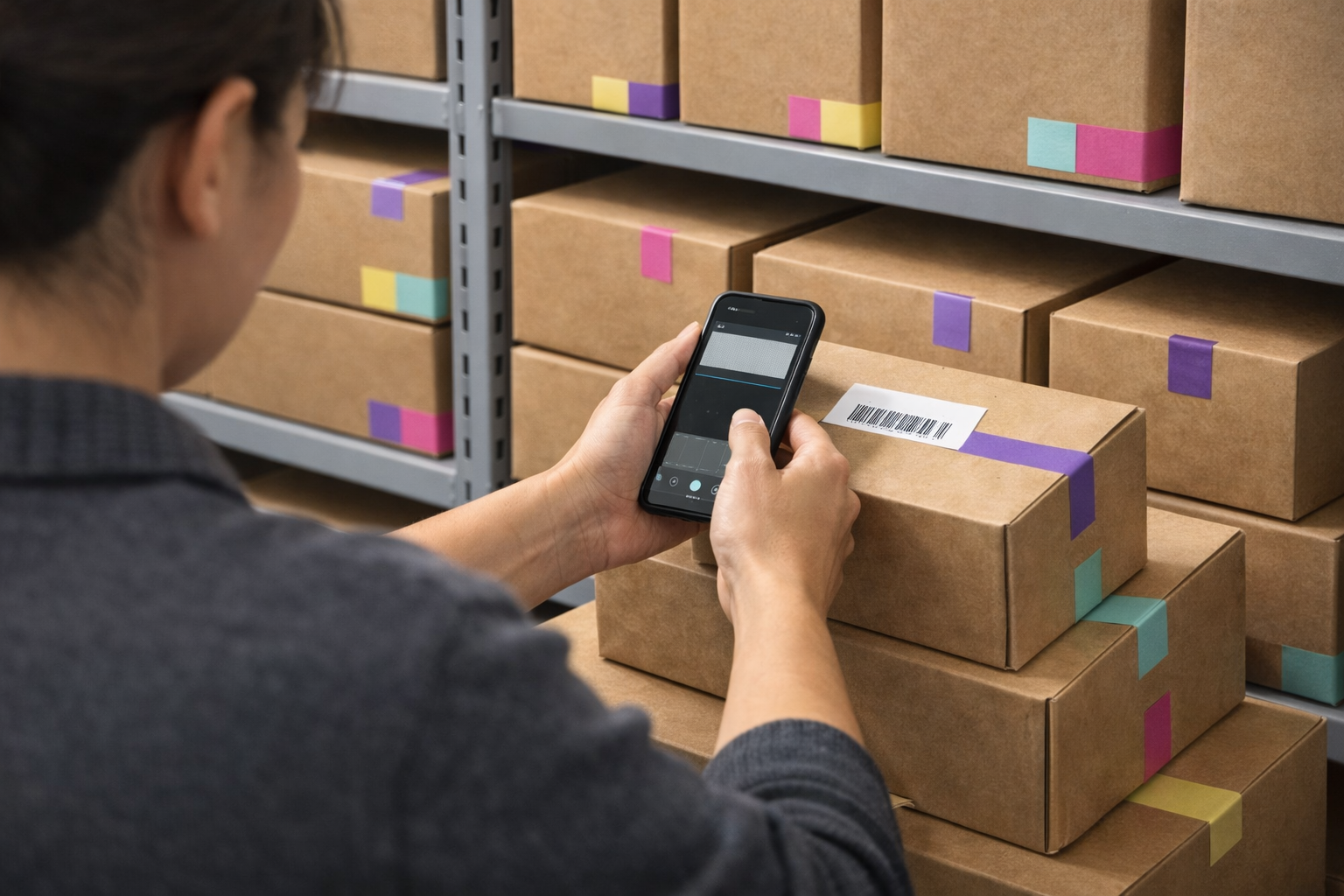
Tracking matters: one view of inventory, orders, and shipment status reduces last-minute panic
This is where a partner like MyMedia earns their keep: one team handling production, kitting, warehousing, and global fulfillment, so your “gift moment” doesn’t collapse under ops complexity.
Make it measurable (without being creepy)
In 2026, stakeholders want proof. The good news: you can measure gifting impact without turning it into surveillance.
A few simple options:
QR to a relevant “thank you” page + resource
Unique codes by segment or account cluster
Two-question micro-survey post-event
Meeting booking link in the follow-up note/email
Delivery and touchpoint timeline reporting via your fulfillment portal
Measurement doesn’t need to be perfect, it just needs to be intentional, repeatable, and tied to the goal you set in the first place.
The takeaway: fewer gifts, better results
If you want corporate gifting and event giveaways to work in 2026, optimize for:
keepability (utility + delight + fit)
experience (gift + moment + message)
operational excellence (on-time delivery is part of the brand)
trackability (so you can improve, not just repeat)
Want the practical version of this?
It includes the IMPACT framework, a keepability score worksheet, an event giveaway matrix, and a gift brief template your team can reuse.