The New Tradeshow Playbook
How Exhibitors Win in 2026
Trade shows are back, but the old playbook is not.
In 2026, it is not enough to “show up with a booth” and hope the right people wander in. The exhibitors winning are treating events like a measurable growth channel. They plan audience and offers earlier, design booth experiences that earn attention, capture cleaner first-party data, and run a tight follow-up engine within 48 hours.
This article breaks down the 2026 trade show trends that matter most, and turns them into a practical exhibitor strategy you can execute before your next event.
What changed in 2026 (and why many booths underperform)
Two things are happening at once:
Attendees have less patience for generic pitches and more options for learning online.
Event budgets are under pressure, so trade show ROI is being scrutinized more tightly.
So the “success metrics” are shifting. The new baseline is not badge scans or booth traffic. It is:
Engaged conversations
Qualified leads (with context)
Meetings booked
Speed-to-lead follow-up
Pipeline influenced or sourced
That means your booth is no longer a single moment. It is one step in a three-phase system: Plan, Activate, Convert.
The 2026 Exhibitor Playbook: Plan, Activate, Convert
Plan (8 to 12 weeks out)
Your goal is to remove randomness. Decide who you want to meet, what you want them to do, and what you will measure.
Activate (show week)
Your goal is to run the booth like a conversion flow: attract, engage, qualify, route, convert.
Convert (0 to 30 days after)
Your goal is speed and relevance. Follow up in 24 to 48 hours, segment by intent, and turn the event into content that keeps working.
Keep this structure in mind as we walk through the eight pillars shaping exhibitor performance in 2026.
1. Design experience-first booths
In 2026, “nice graphics” are table stakes. High-performing booths feel like a guided story, not a static display.
What to do
Design a clear booth flow: entrance, demo zone, conversation area, meeting point.
Lead with one strong idea: “Here’s the problem we solve” in plain language.
Add one interactive element: quick assessment, live demo, hands-on station, or a guided walkthrough.
Common pitfall
Too many messages. If your team cannot say the core value in 10 seconds, your audience will not either.
Metrics to watch
Engaged conversation rate (engaged conversations divided by booth traffic)
Demo completion rate
Meeting rate (meetings booked divided by engaged conversations)
2. Use AI and personalization where it actually helps
AI is not the headline. It is the behind-the-scenes efficiency layer that helps you show up prepared and follow up faster.
What to do
Pre-show: build an account list and personalize outreach by segment, role, and intent.
On-site: use simple tags to capture context so follow-up is relevant.
Post-show: speed up recap content creation and first drafts of follow-up sequences.
Keep it grounded
AI works best when your inputs are structured: who they are, what they asked, what you promised, what the next step is.
Operational detail
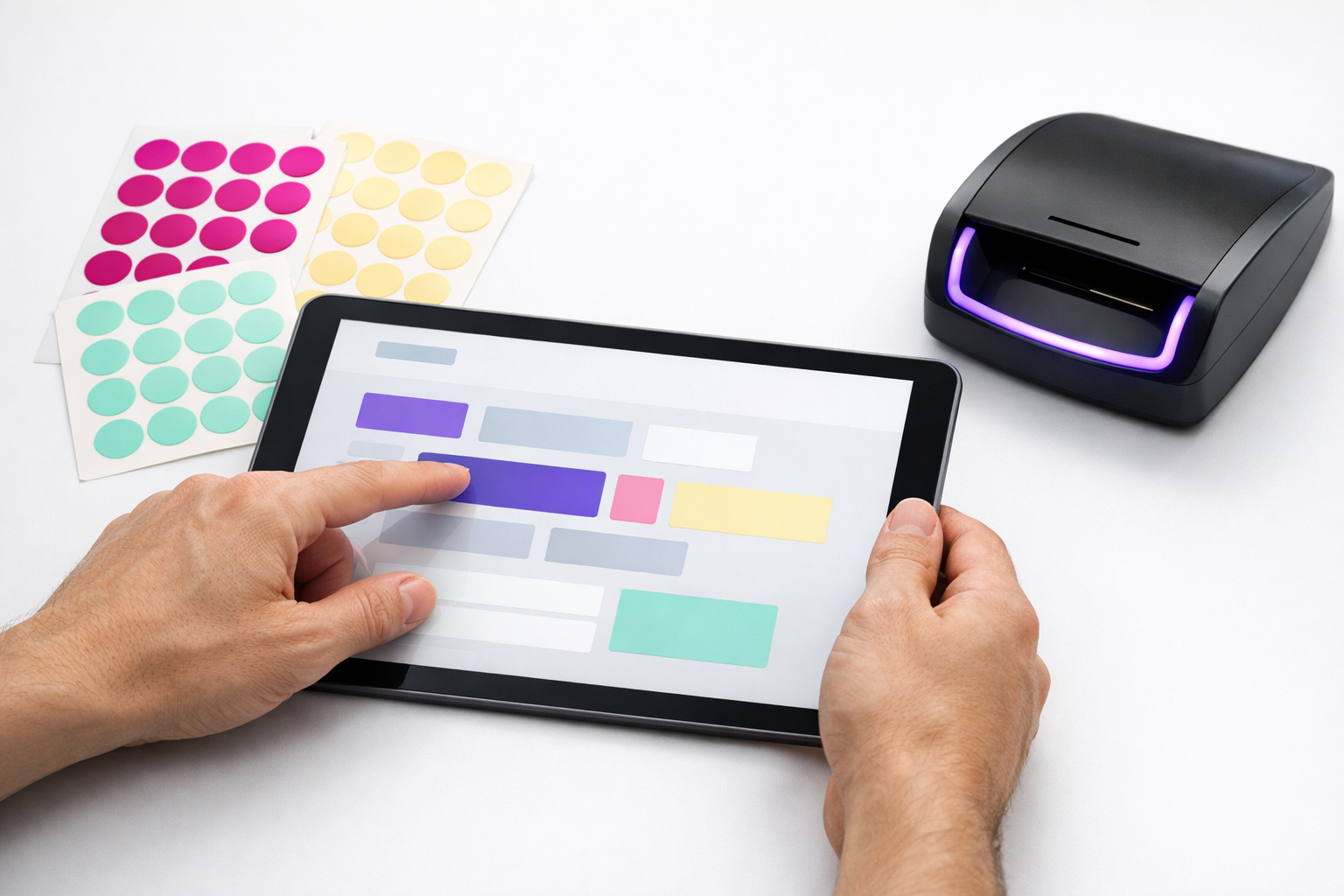
Create a fixed set of lead tags before the event (for example: Use case, urgency, decision stage, timeline). Train your team to use them consistently.
3. Prioritize first-party data and real measurement
If you want trade show ROI, you need more than a scan. You need clean first-party data, plus intent signals that marketing and sales can use.
What to capture
Role and team
Problem they are solving
Product interest area
Timeline and urgency
Next step agreed (meeting, demo, follow-up resource)
What to measure
Below is a simple KPI snapshot you can use as your event scorecard.
If your CRM cannot track this cleanly today, you can still start with a shared spreadsheet plus consistent tags. The key is consistency.
4. Build hybrid touchpoints that extend the show
Hybrid in 2026 does not mean “stream everything.” It means adding digital touchpoints that make the event more useful before and after the show.
What to do
Pre-show: book meetings with a short landing page and calendar link.
During show: create a “follow-up hub” page (one URL) with demos, one-pagers, and next steps.
Post-show: send a segmented recap based on what they actually cared about.
Common pitfall
Creating content that is too broad. The more specific the follow-up, the higher the response.
5. Treat content as a product, not an afterthought
The best exhibitors treat the show as a content capture opportunity, then turn it into a year-round engine.
What to capture
Product demos (short clips)
Customer stories
“3 questions we heard all day” recap
Partner interviews
Trend takeaways from the floor
Simple workflow
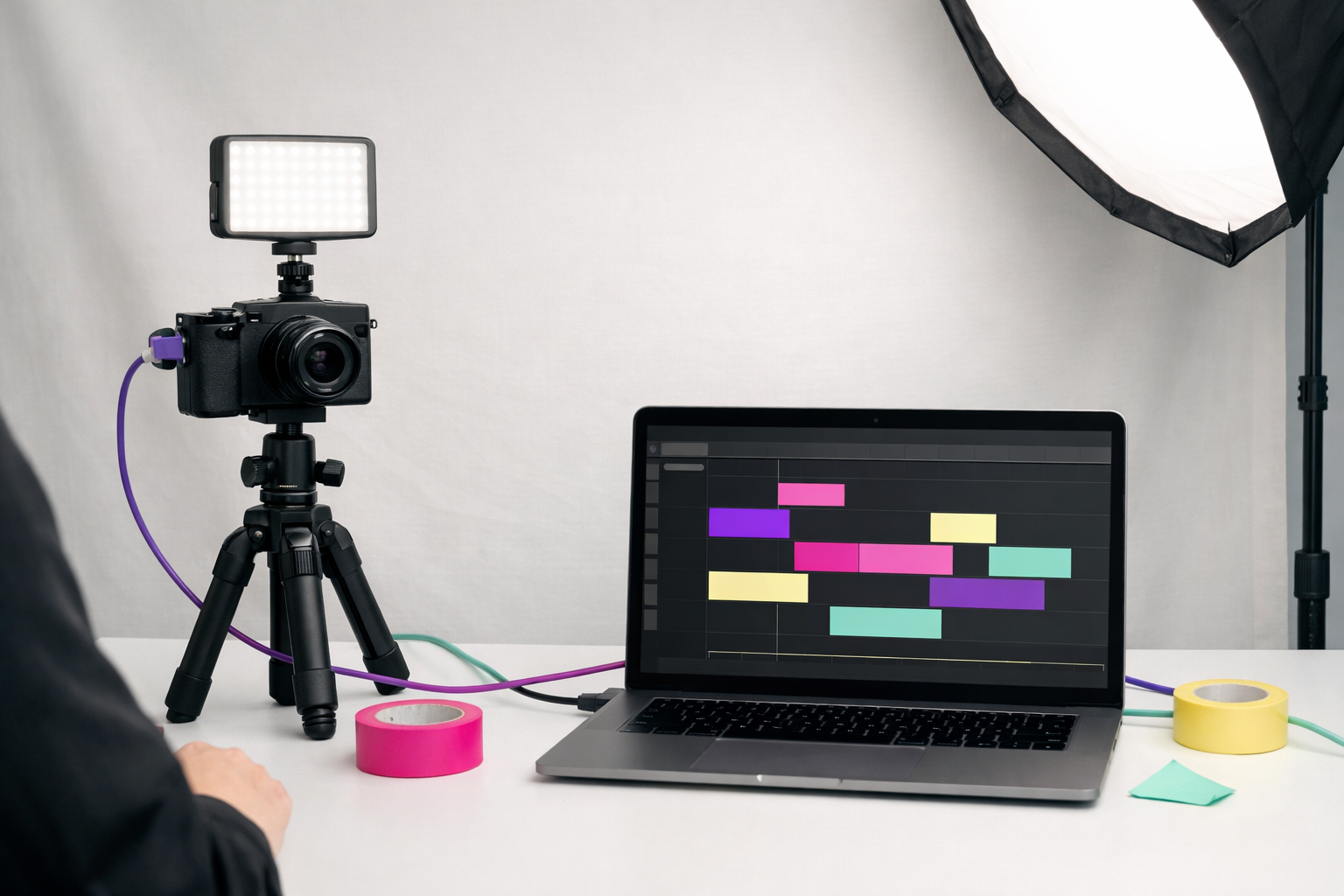
Assign one person to capture.
Assign one person to publish.
Decide your formats in advance: 10 short clips, 3 posts, 1 recap email, 1 blog.
This is how you make one event work across multiple channels.
6. Make sustainability practical, not performative
Sustainability with teeth is about reducing waste and building a repeatable asset system.
What to do
Use modular booth components you can reuse.
Standardize core event kits (signage, giveaways, demo tools) and refresh selectively.
Plan shipping and packaging choices earlier to avoid last-minute cost and waste.
Metric to watch
Asset reuse rate (how much of your booth and kit is reused across events)
7. Train your people like a revenue team
Booth staffing is often the biggest lever, and the most under-planned.
In 2026, top teams do not improvise. They use scripts, qualification questions, and clear handoffs.
Mini-template: Booth talk track + qualification questions
Use this as a simple staffing guide you can print and train on:
10-second opener
“We help [ICP] achieve [outcome] by solving [problem]. Are you working on anything like that this quarter?”
Qualification questions
“What prompted you to stop by today?”
“What does success look like for you in the next 60 to 90 days?”
“What have you tried already?”
“Who else is involved in the decision?”
“If we could solve this, what would be the best next step: a demo, a working session, or an intro with your team?”
Routing rule
Hot: book a meeting on-site
Warm: send one relevant resource plus a proposed next step
Early: add to a nurture track with the right segment tag
Operational detail
Hold a 10-minute daily standup during the show: what is working, what objections keep coming up, which offers are converting, who needs a break, and what to adjust tomorrow.
8. Build operational resilience so nothing breaks at the last minute
Even the best strategy falls apart if your materials do not arrive, your inventory is missing, or your booth team is improvising because critical items are not on-site.
Operational resilience is a competitive advantage in 2026.
What to do
Create an event inventory list and assign an owner.
Build a shipping plan with deadlines and contingency time.
Prepare a “Plan B kit”: backup signage files, spare cables, chargers, basic tools, a printed staffing guide.
Standardize how items are stored, shipped, and tracked across events.
Where a partner can help (without the hard sell)
If you are managing multiple events, regions, or last-minute changes, having one partner for production, global logistics, warehousing, and on-site coordination reduces risk. It also makes it easier to keep visibility on what you have, where it is, and what needs replenishing.
A practical checklist: Pre-show, show week, post-show
Use this as your quick-start exhibitor checklist.
Pre-show (8 to 12 weeks out)
Define goals (pipeline, meetings, partners, recruiting)
Build target account list and outreach plan
Finalize your offer (demo, consult, VIP, workshop)
Design booth flow and staffing plan
Set lead tags and data capture rules
Confirm inventory list, shipping plan, and deadlines
Create your follow-up hub page and content plan
Show week
Run booth flow: attract, engage, qualify, route, convert
Log context for every meaningful conversation
Hold daily standups and adjust
Capture content intentionally
Book meetings on-site where possible
Post-show (0 to 30 days)
Follow up in 24 to 48 hours
Segment by tags and intent
Send recap content and schedule next steps
Report on scorecard KPIs
Hold a short retrospective: keep, improve, stop
FAQ: 2026 exhibitor strategy and trade show ROI
What are the biggest 2026 trade show trends for exhibitors?
Experience-first booth design, better measurement and first-party data, more personalization (often supported by AI), content capture workflows, practical sustainability, stronger staffing and training, and operational resilience are the trends shaping performance in 2026.
How do I measure trade show ROI without overcomplicating it?
Start with a simple scorecard: engaged conversations, qualified leads, meetings booked, speed-to-lead, and pipeline influenced. Use consistent lead tags so follow-up and reporting stay aligned.
What is a good speed-to-lead target after an event?
A practical goal is to follow up within 24 to 48 hours, especially for hot leads, while the conversation is still fresh.
How many people should staff a booth in 2026?
Enough to cover peak times without exhausting your team, while keeping roles clear (greeter, demo lead, qualifier, meeting host). Rotate staff and use daily standups to adjust.
What is the fastest way to improve event performance before the next show?
Tighten your offer, train your talk track, standardize lead tags, and pre-plan follow-up. These four changes improve conversion without requiring a bigger booth or bigger budget.
Your next 7 days: A simple action plan
If your next event is coming fast, do this in the next week:
Write your one-sentence value proposition in plain language.
Choose one primary offer (demo, consult, or workshop) and one backup.
Create your lead tags (use case, urgency, stage, next step) and print them for staff.
Draft your booth talk track and qualification questions, then run a 30-minute practice.
Build a follow-up hub page with your top 5 resources.
Define your scorecard KPIs and how you will capture each one.
Create a simple logistics checklist: inventory owner, shipping deadlines, Plan B kit.
If you want the practical version of this playbook in a downloadable format, turn this article into a repeatable checklist and template pack and use it across every show.