How Events Will Evolve in 2026
What’s Changing and How We Can Prepare

If 2025 was about tightening budgets and raising expectations, 2026 is about building event programs that feel more intentional. Experiences need to be meaningful, run smarter, and deliver clear outcomes.
Attendees are more selective with time and travel. Sponsors want proof of value. Internal teams expect events to run leaner while delivering bigger outcomes. Technology is no longer optional. It’s part of how experiences are designed, delivered, and measured.
The good news: we don’t need to reinvent everything. In 2026, strong event programs are more adaptive, more measurable, and more attendee-led.
Below are the trends shaping events this year, plus practical strategies and tools we can apply right away.
1. The best events aim to make an emotional impression on the audience
What’s changing
Audiences remember how an event made them feel more than what was said in a slide deck. In 2026, experience design is shifting from “well-organized” to “emotion-led.”
Why it matters
When an event creates a real emotional connection, people stay longer, share more, and come back. It also strengthens brand trust in a way that content alone cannot.
What we can do in 2026
Build a clear emotional goal for each event (inspired, confident, connected, proud, motivated).
Add moments that create meaning: strong openings, shared rituals, powerful storytelling, and human conversations.
Design networking with intention: smaller groups, guided prompts, and facilitated introductions.
Client story (simple, relatable example)
At a recent leadership summit, the feedback was clear: attendees liked the content, but it felt “flat.” We helped the client design a stronger opening, add a short shared moment early in the day, and guide networking with prompts. The shift was immediate: comments moved from “useful sessions” to “we left feeling confident and connected.”

2. AI becomes a necessary tool to run the behind the scenes
What’s changing
AI is moving from “nice to test” to “needed to keep up.” In 2026, it supports planning, content operations, and reporting.
Why it matters
Teams are being asked to deliver more with the same resources. AI helps reduce manual work so we can spend more time on experience and outcomes.
What we can do in 2026
Use AI to speed up planning tasks: timelines, checklists, vendor comparisons.
Use AI to support content workflows: session descriptions, speaker briefs, copy variations.
Use AI to accelerate reporting: summarizing feedback, grouping themes, highlighting priorities.
Client story (simple, relatable example)
After one busy conference, a team we supported was staring at hundreds of survey comments and no time to read them. We used AI to group the feedback into clear themes in a day, then turned it into a short “what to keep and what to fix” summary. The team could act fast instead of spending a week sorting spreadsheets.
3. Audience requires bespokeness at any event
What’s changing
People expect events to feel relevant to their role and goals. Generic agendas and broad messaging are easier to ignore.
Why it matters
When attendees feel the event was built for them, they engage more, choose sessions with confidence, and leave with clearer next steps.
What we can do in 2026
Ask a few smart questions at registration (role, priorities, interests).
Offer 2 to 4 clear tracks and guide people into the right one.
Make the event easier to navigate: clear labels, recommendations, and simple on-site guidance.
Client story (simple, relatable example)
A fast-growing company we worked with heard the same complaint every year: “We didn’t know what sessions were meant for us.” We added three registration questions and used the answers to recommend a track in the confirmation email. Attendees arrived with a plan, and fewer people wandered or dropped into random sessions.
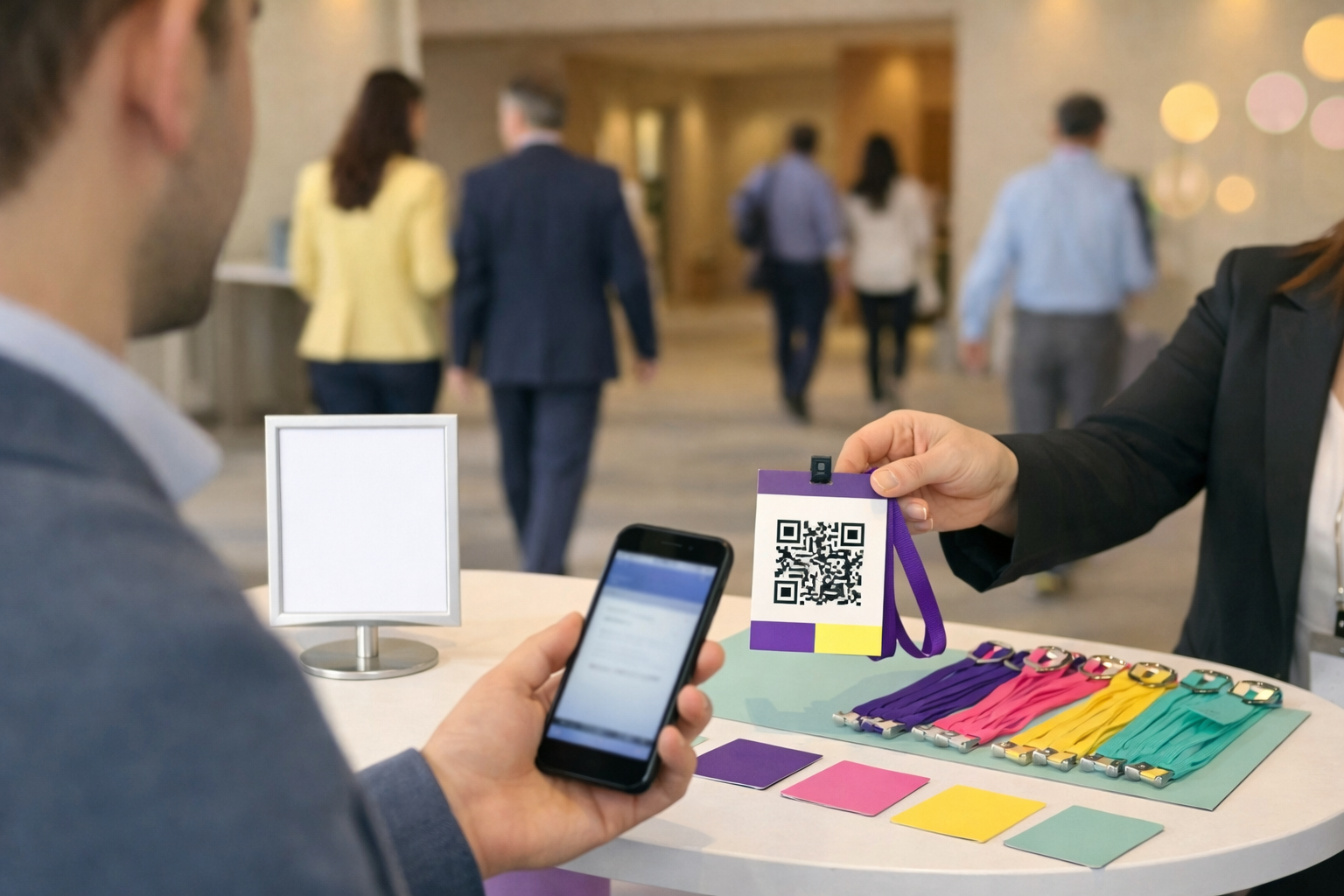
4. Events become a whole experience with pre-event and post-event follow-ups to keep the audience engaged
What’s changing
Events are becoming part of a longer experience, not a single moment. Community-first programming is growing because audiences want continuity and connection.
Why it matters
When engagement continues before and after the event, results improve and ROI becomes easier to prove. It also strengthens relationships and increases repeat attendance.
What we can do in 2026
Plan 3 to 6 touchpoints around one main event (before, during, and after).
Use pre-event moments to warm up the audience (roundtables, Q&A sessions, curated introductions).
Use post-event follow-ups to keep momentum (demo weeks, recap sessions, community prompts).
Client story (simple, relatable example)
In one industry program, everything used to go quiet after the event. We helped the client add a pre-event “meet the community” session and a post-event demo week with short follow-up slots. Attendees stayed engaged longer, and the sales team saw more warm conversations instead of cold outreach.
5. Event achievements became more relevant than participation numbers
What’s changing
Stakeholders want proof of impact. Participation numbers are still useful, but they are no longer the main story.
Why it matters
Budgets are under pressure. When we connect events to outcomes, it becomes easier to defend investment and improve future planning.
What we can do in 2026
Set one main goal per event type (pipeline, retention, partners, brand).
Track a few strong signals during the event (meetings booked, session drop-off, content saves).
Report outcomes in a simple way:
Experience: satisfaction by segment
Engagement: sessions watched, meetings held, content used
Business impact: follow-ups, influenced pipeline, renewals
Client story (simple, relatable example)
A marketing team we supported kept getting pushed to “prove ROI,” but their report only showed registrations and NPS. We helped them track qualified meetings and 30-day follow-up conversion. Leadership finally had a clear answer to “what did the event achieve,” and future planning became easier.
6. Human pace scheduling becomes a must for attendee wellbeing
What’s changing
Audiences are tired of packed agendas and constant intensity. Wellness and human pace scheduling is becoming an expectation.
Why it matters
People cannot connect, learn, or network well when they are exhausted. Better pacing improves satisfaction, attention, and retention.
What we can do in 2026
Shorten sessions and protect real breaks.
Add quiet zones and recharge moments.
Mix formats so energy stays balanced (workshops, roundtables, demos, open networking).
Client story (simple, relatable example)
At a multi-day conference, the pattern was predictable: energy dropped hard after lunch. We helped the client shorten breakouts, add longer breaks, and create a quiet recharge space. Attendees stayed present longer, and the late-afternoon sessions stopped feeling like an empty room.
7. Sustainability is no longer optional
What’s changing
Sustainability is shifting from big statements to practical actions. Attendees notice what we actually do, not what we claim.
Why it matters
Sustainability choices now influence brand perception and partner expectations. Done well, it also reduces waste and cost.
What we can do in 2026
Choose 3 to 5 actions we can repeat every time.
Make the sustainable option the default (less print, reusable signage, smarter swag).
Communicate clearly and avoid overpromising.
Client story (simple, relatable example)
A team we partnered with wanted to reduce waste but feared it would feel “cheap.” We switched to digital-first materials, reusable signage, and one genuinely useful item instead of lots of swag. Attendees called it thoughtful, and the team reduced costs without making the event feel less premium.
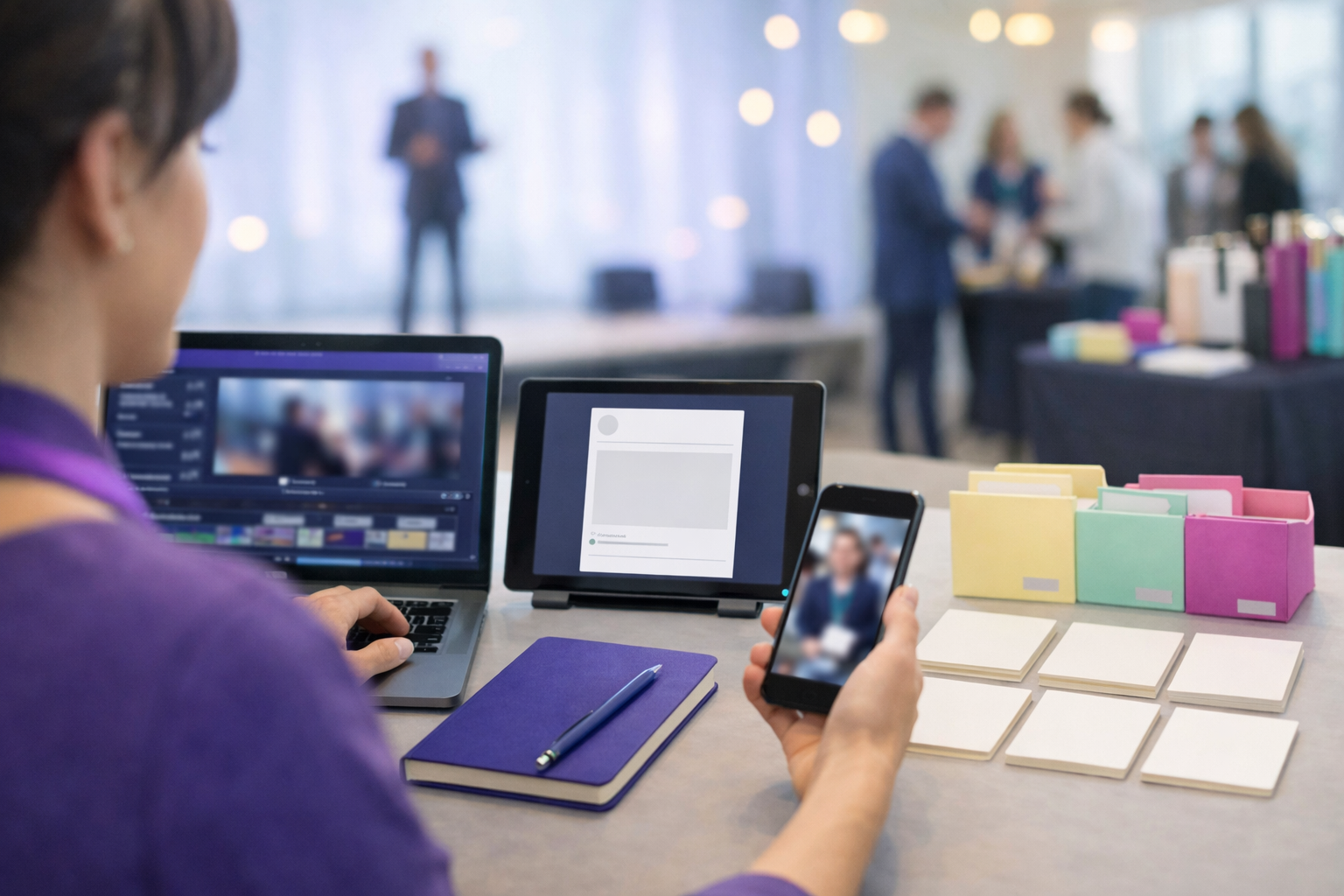
8. Content becomes a year-round engine that keeps audiences engaged
What’s changing
Content is becoming a year-round engine. Instead of treating content as a byproduct, teams are planning it as part of the event strategy.
Why it matters
Content extends reach, supports sales, and keeps the audience engaged long after the venue closes. It also helps justify event investment.
What we can do in 2026
Plan content before the event, not after.
Turn one keynote into multiple formats (short clips, recap posts, email highlights, blog angles).
Build a post-event content calendar for the next 30 to 90 days.
Client story (simple, relatable example)
A client team told us they had recordings from every event, but they “never found time to use them.” We helped them plan a six-week rollout with short clips, topic-based recaps, and sales-ready snippets. Engagement stayed active after the event, and the sales team had fresh assets to share all quarter.
The 2026 Playbook: How We Can Prepare Without Overhauling Everything
In 2026, strong event programs are:
1) Easy to repeat
Reusable agendas, content blocks, sponsor formats, and reporting templates.
2) Easy to measure
One main goal per event type, supported by a few useful metrics.
3) Built around the attendee
Clear tracks, better pacing, and more relevant choices.
4) Content-ready
Content planned as part of the strategy, not as an afterthought.
5) Tech-enabled
Tools used to reduce friction and improve visibility.
What this means for planners right now
2026 rewards teams that simplify and sharpen:
fewer “everything for everyone” agendas
clearer measurement plans
better pacing and experience design
smarter repurposing
more intentional sponsor value
Want the practical version of this? We’re sharing a downloadable PDF: “2026 Event Trends Practical Implementation Guide” with templates, checklists, and a simple measurement framework we can apply to any format.